Jewish Ethics Here and Now
  • Home
  • for students
    • Experiential assignments >
      • Mussar experiential assignment
      • climate change experiential assignment
      • Peacemaking within ourselves
    • canvas
    • tips for students
  • Issues
    • Social media and shaming
    • "fake news"
    • whistleblowing
    • workplace ethics
    • Violence and peacemaking
    • Climate Change
    • public safety
  • Jewish ethical concepts
    • pikuach nefesh: saving a life
    • kvod habriyot: human dignity
    • geneivat da'at: honest representation
    • lashon hara: ethical speech
    • lifnei iver: stumbling block
    • bal tashchit: do not waste
    • tochecha: rebuke
    • mussar: jewish character ethics
    • tzedek: justice
  • Resources
    • what's applied ethics? >
      • Applied Ethics etext
    • Sample Syllabus
    • learn about Judaism >
      • Judaism basics >
        • The Torah
      • Jewish religious diversity in the U.S.
      • jewish communities around the world
      • antisemitism
      • the pluralism project
    • ethical wills
    • social science and ethics

workplace ethics

What do Jewish sources say about the value of work and wealth?
What's the role of work in our lives?
What is the relationship of work to Shabbat?
What have social scientists found about the relationship of human happiness to work and wealth?

read Jewish ideas about work, wealth, and rest:

"Shabbat: What is Shabbat?"

"Shabbat's Work Prohibitions"

“Ideal occupations: the Talmudic perspective”

Rabbi Louis Jacobs, "Work in Jewish Thought"

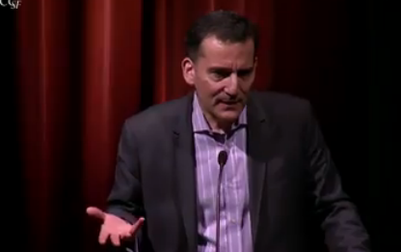
​Rabbi David Wolpe, “Loaded: Jews and Money”
Picture
Click the image to hear Rabbi David Wolpe discussing Jews and money.

read other ideas about work, wealth, and rest:

      ​​
Picture

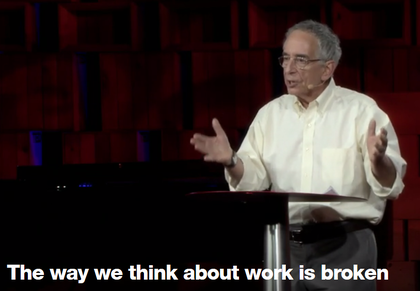
​​Barry Schwartz, "​The way we think about work is broken." TED Talks, March 2014.

"How is it that we allow the majority of people on the planet to do work that is monotonous, meaningless and soul-deadening?"
​–Barry Schwartz

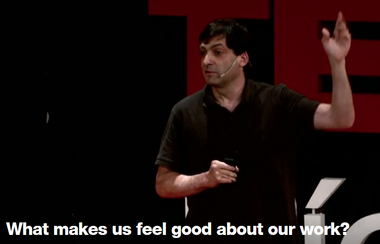
PictureClick the image to hear Dan Ariely discussing what makes work valuable and enjoyable.

​Dan Ariely, "What makes us feel good about our work?" TED Talks, October 2012.

Jordan Weissmann, "This Study on Happiness Convinced a CEO to Pay All of His Employees at Least $70,000 a Year"
​
Richard J. Light, "How to Live Wisely"

“Why you hate work”
​
“Who needs a boss?”

“A new business strategy: treating employees well”

Proudly powered by Weebly
Photo from r.nial.bradshaw
  • Home
  • for students
    • Experiential assignments >
      • Mussar experiential assignment
      • climate change experiential assignment
      • Peacemaking within ourselves
    • canvas
    • tips for students
  • Issues
    • Social media and shaming
    • "fake news"
    • whistleblowing
    • workplace ethics
    • Violence and peacemaking
    • Climate Change
    • public safety
  • Jewish ethical concepts
    • pikuach nefesh: saving a life
    • kvod habriyot: human dignity
    • geneivat da'at: honest representation
    • lashon hara: ethical speech
    • lifnei iver: stumbling block
    • bal tashchit: do not waste
    • tochecha: rebuke
    • mussar: jewish character ethics
    • tzedek: justice
  • Resources
    • what's applied ethics? >
      • Applied Ethics etext
    • Sample Syllabus
    • learn about Judaism >
      • Judaism basics >
        • The Torah
      • Jewish religious diversity in the U.S.
      • jewish communities around the world
      • antisemitism
      • the pluralism project
    • ethical wills
    • social science and ethics